A Life in Full Colour
Henry was our youngest — the baby of four — and from the moment he arrived, he did things his own way. At 9lb 6, he came into the world via emergency section and the blade that delivered him also nicked his cheek; we joked that we had matching scars and he teased about "suing the hospital," while I told him it made him look cool. From then on, he was a joyful bundle of energy, an early talker who never stopped chattering and a boy who seemed magnetically drawn to life.
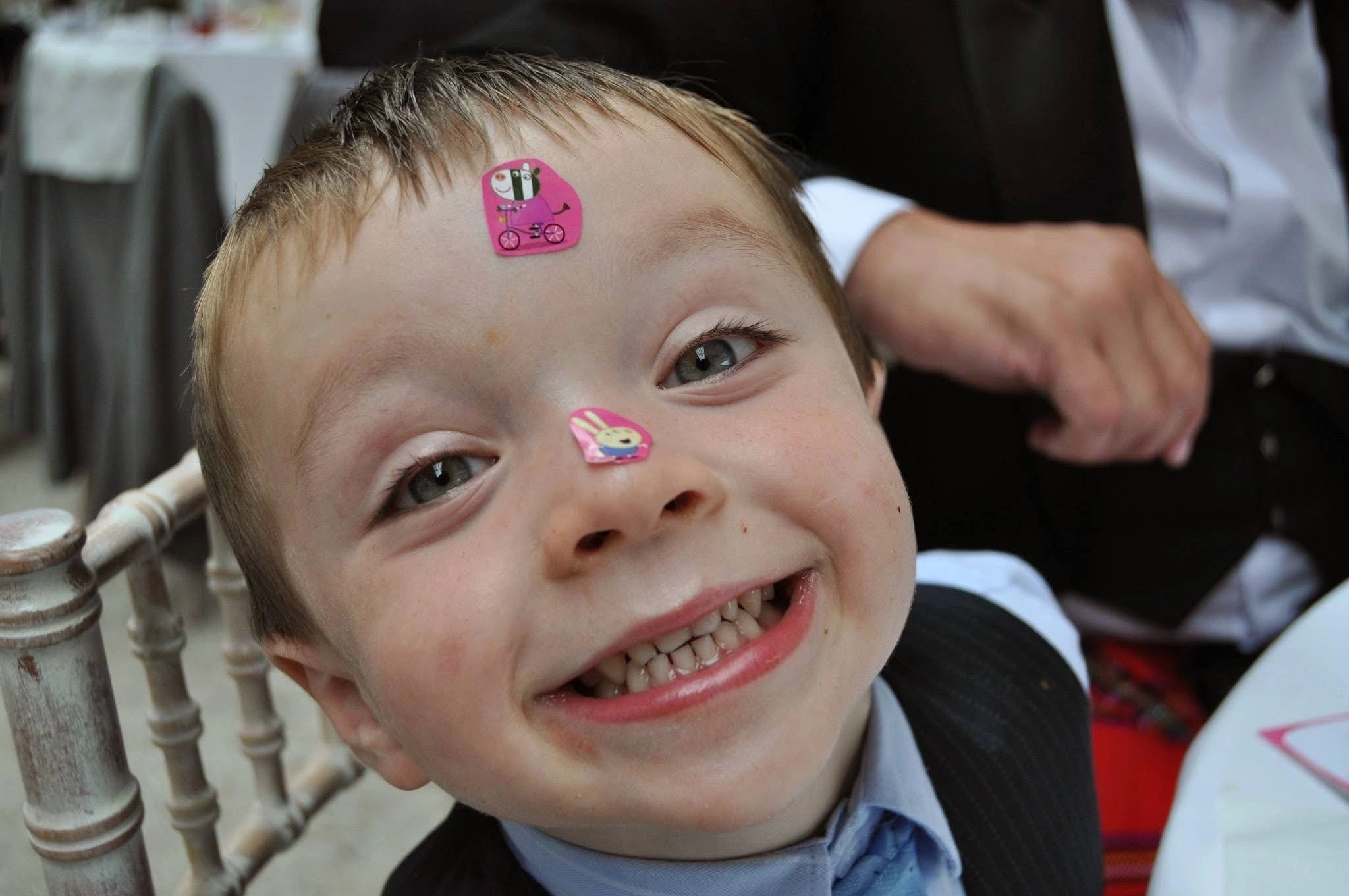
He loved dressing up — from Iggle Piggle and Laa‑Laa to Bob the Builder, a pink cowboy hat, my frilly knickers and anything with a bit of bling. At three, he chose a sparkly gold pan scrub in Poundland as a Christmas present for his dad, because of course he did. He was emotionally attuned and deeply sensitive, the child who noticed when others were sad and was always first to comfort me if I wasn't quite myself.
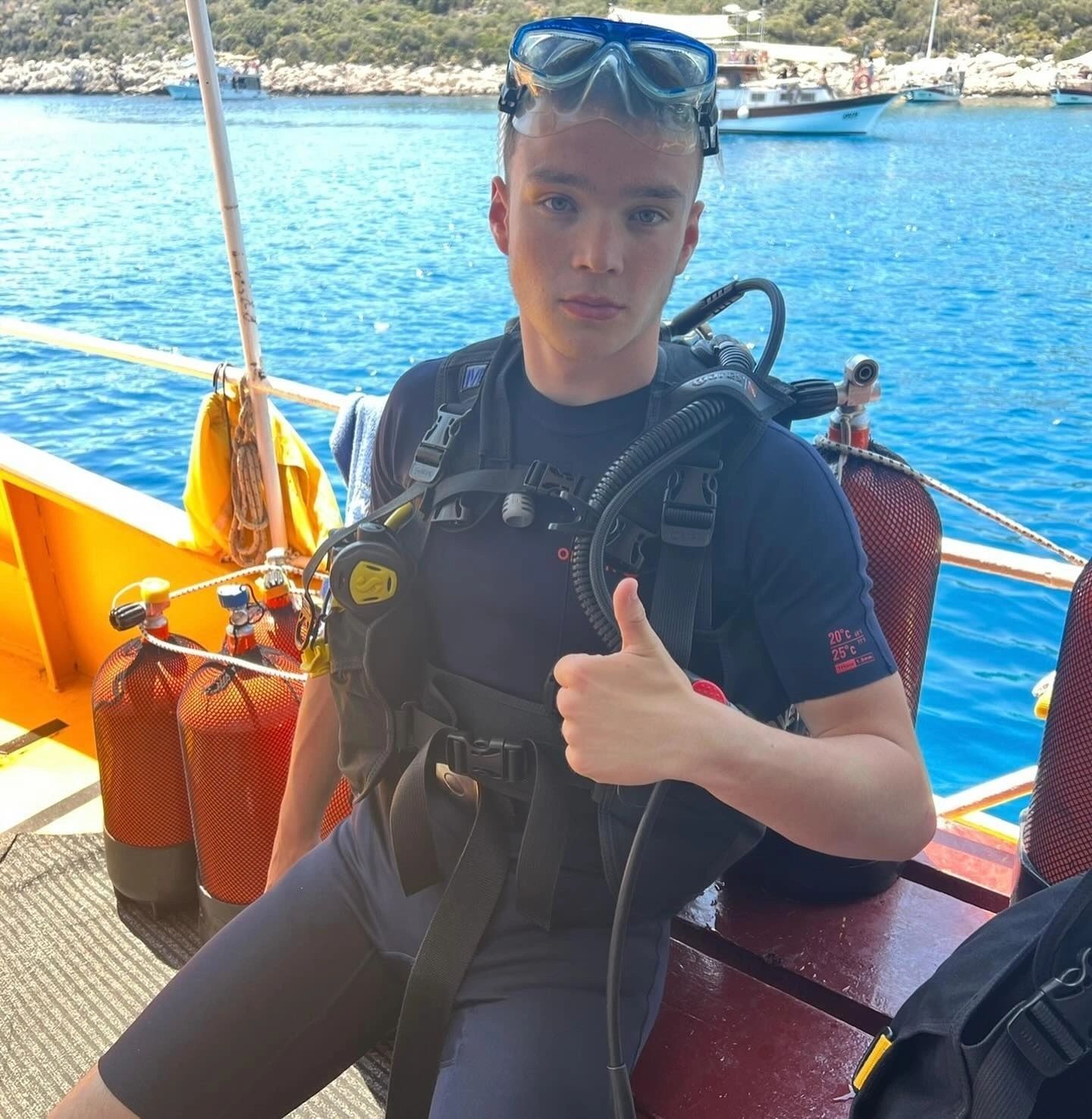
We did everything together — the six of us — sledging in the snow, Halloween dress‑ups, piggy‑back races in the garden, Easter egg hunts, target practice with the air rifle, barbecues, and endless days out from Alton Towers and Blackpool to the Lake District and Whitby. We also made space for "Special Time," just one‑to‑one: painting, model‑making, blowing bubbles, stories, or him riding in the back of his dad's Porsche yelling "go faster!" Holidays were full of colour; in Spain, Egypt, Florida, Lapland, Dubai, Greece, and Turkey he threw himself into everything — orange wigs, zip‑wires, jetskis, parascending, high ropes and, his last summer, earning his scuba diving licence.
Henry was the boy who made everyone feel seen. He had a gentle warmth, huge humour, and a sharp, inquisitive mind that drew people in. Teachers, friends, and even people who met him once talk about his wit, kindness, fun and huge personality; he packed more love and emotion into 17 years than many people do in a lifetime. To us, he was never "a set of symptoms." He was just Henry.
Growing Up Neurodivergent
Professionals first raised ADHD when he was in primary school; we started pushing for assessment in 2015 when he was eight. The pathway was slow and obstructive. Our GP was told he couldn't refer and that only school could, so we waited while his teacher wrote detailed statements and CAMHS slowly moved forward. After I formally complained about the delays, Henry was finally diagnosed with ADHD in January 2017 and prescribed Concerta XL, which was gradually increased up to 54mg.
At that time Henry was thriving in so many areas — Beavers, Cubs, football, squad swimming, where he trained three to four times a week and went on to win medals in the Independent School Nationals at the Olympic pool in London. He was also a talented distance runner and loved any sport that involved speed or courage: ski slopes, bicycles, rugby pitches.
He worked hard, with support, to pass his 11+ and secured a place at a selective grammar school with adjustments in place, including a reader and scribe. But the transition to a selective, high‑pressure academic environment was where the friction really started. Henry's ADHD showed up as impulsivity, fidgeting, calling out, forgetting equipment, and struggling to wait his turn — "like driving a Ferrari without brakes," as he once described it. Instead of this being understood as neurodivergence, he was repeatedly treated as a behaviour problem.
I sent long, detailed emails offering strategies that CAMHS and I had found helpful: clear warnings, time‑out cards, discreet signals, extension tasks to prevent boredom, flexible responses to minor ADHD behaviours, and avoiding detentions for things he literally couldn't control. CAMHS explicitly advised school that increasing medication just to suppress "irritating but minor misdemeanours" was not in Henry's best interests, and that staff needed to adapt instead. Many teachers tried their best; others continued to issue negatives and detentions for shouting out, fiddling, or forgetting books, while also using him as a public example of "bad behaviour."
We requested an EHCP more than once. CAMHS recommended it; I pushed for it. School advised it "wasn't suitable" and assured us he could be accommodated without it — a lost opportunity that meant Henry never had a legal framework of support around him. Over time, he lost some of his exam adjustments because his raw speed in reading and writing sat above a threshold — even though his dyslexia, ADHD, skipping words and messy handwriting still made exams far harder than they looked on paper.
It was heartbreaking to watch a happy, confident boy become anxious and distressed by a behaviour system that seemed to define him by his "negatives." He felt unheard, misjudged, and trapped in a reputation he could not shake.
Medication and Missed Risks
Henry started medication at ten, and on paper it "helped"; teachers noticed more focus and fewer disruptions. But Henry told us it made him feel numb and "not himself," and he developed hand tremors, loss of appetite, weight issues, headaches and poor sleep at higher doses. The liveliness that defined him felt blunted.
When COVID‑19 lockdown hit and schools closed, he stopped medication. At home, in a calmer, more flexible environment, he did well; we adjusted routines, supported his learning, and his appetite returned. CAMHS warned that remaining medication‑free would eventually trigger discharge, and we argued strongly for him to stay under their care, but the policy at the time was blunt: no medication, no service.
We were never told that untreated ADHD would increase his risk of using substances to self‑medicate leading to addiction, nor that ADHD is strongly associated with anxiety, emotional dysregulation, depression and a higher suicide risk. No one offered alternative medications or non‑pharmaceutical interventions. We were left to hold the risk alone, still trying to keep Henry safe inside a school system that often punished his neurology rather than accommodating it.
College, Cannabis and Crisis
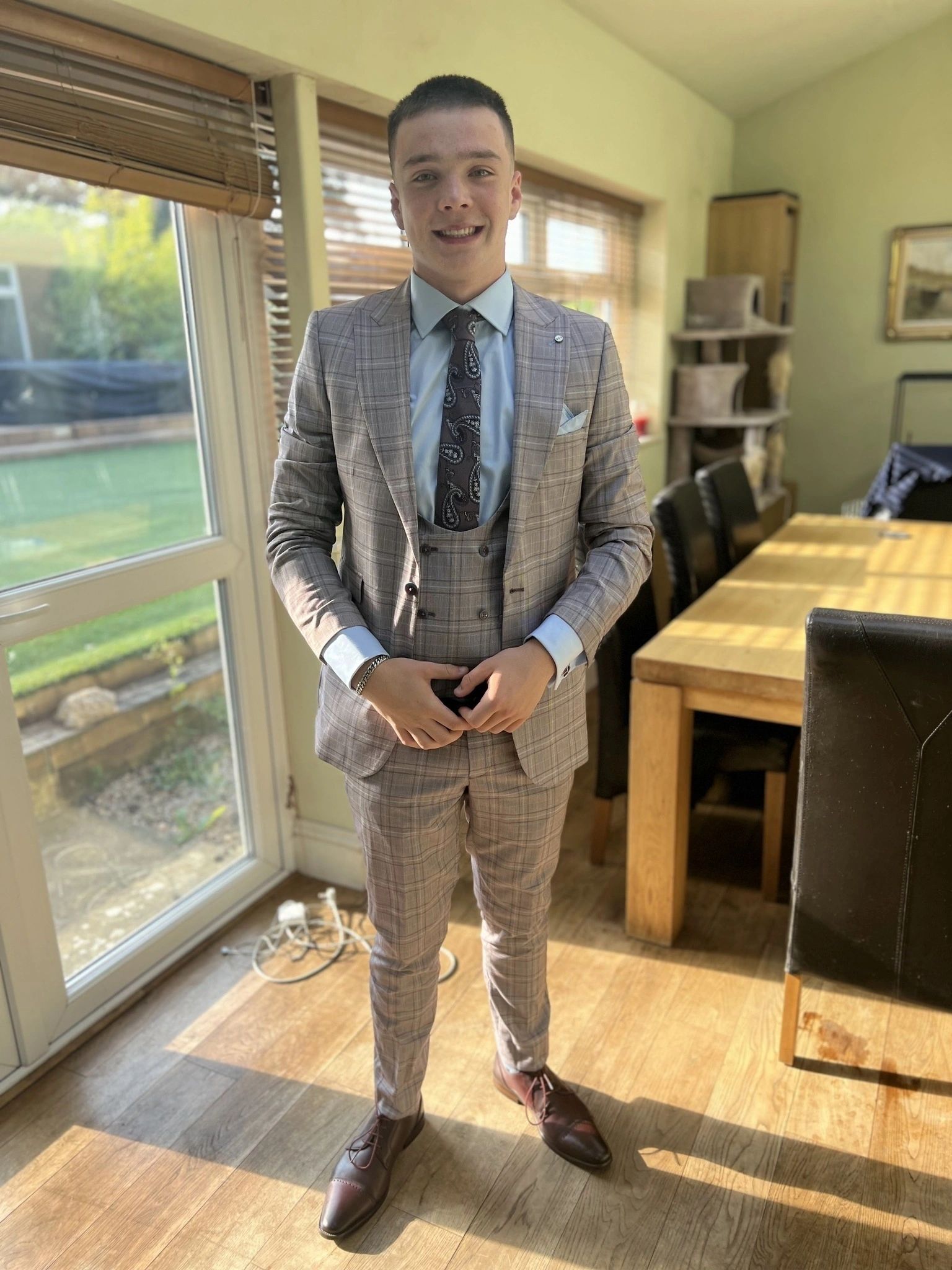
Henry's GCSEs went well, and he chose a distinctive prom suit that reflected his bold style, looking "a million dollars" and making us incredibly proud. He moved on to college to study Sport, Business, and 3D Art & Design — hands‑on subjects that suited his practical, kinetic brain. He loved the design workshop, the sports hall, the social life, and, true to form, was always late out of bed and running for the bus on one Weetabix and a coffee. He'd recently joined the Air Cadets, was proud to be told he was the "smartest cadet on parade," and talked excitedly about joining the RAF.
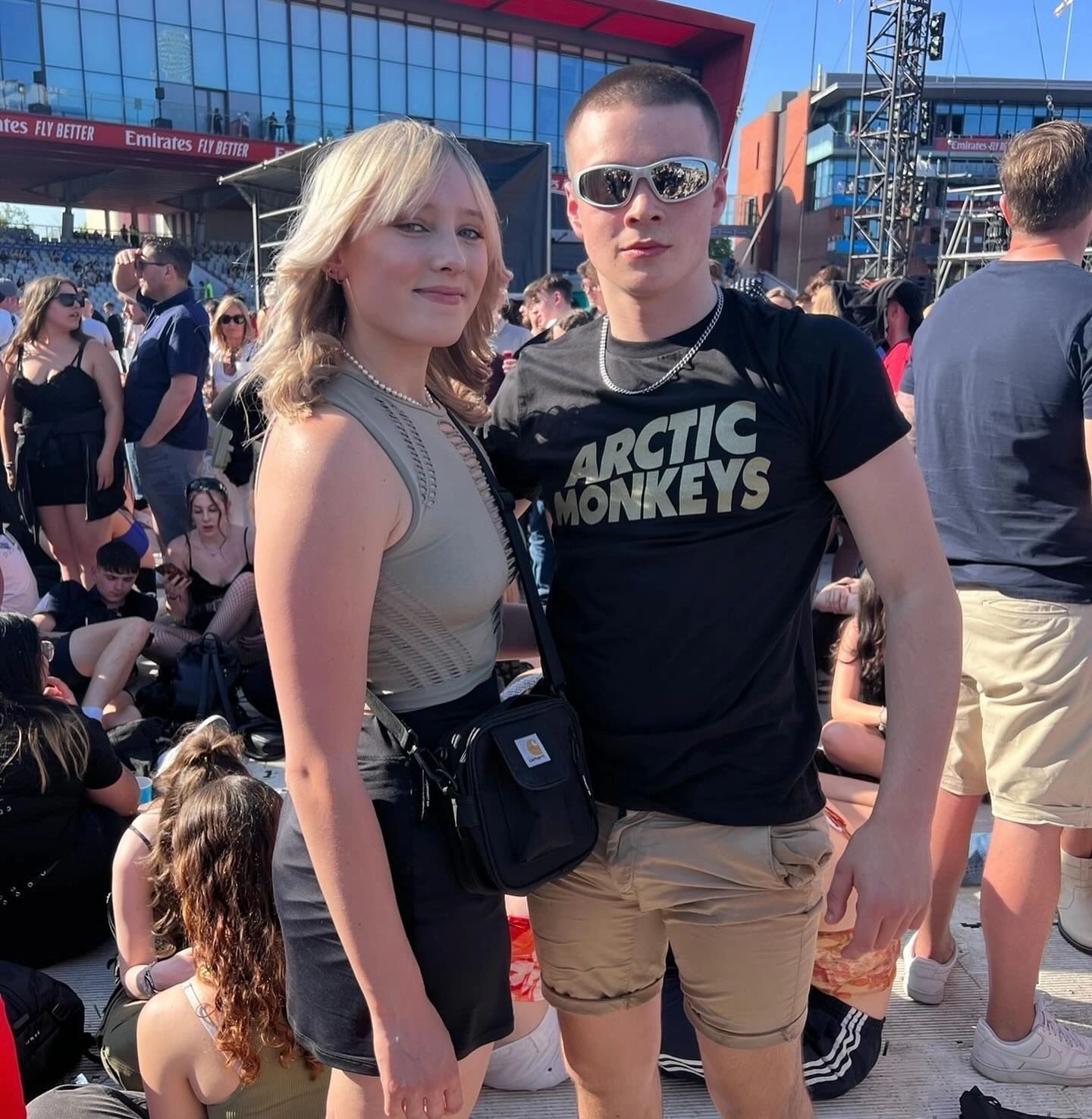
But underneath that, the structure that had held him — however imperfectly — was gone, and the cracks widened. Henry began using cannabis and alcohol, not as a party boy but to quiet the constant noise in his head. This pattern — ADHD plus self‑medication — is well‑recognised now, but the drug counsellor he saw did not meaningfully join the dots between his neurodivergence and his substance use.
His behaviour shifted; there were minor brushes with the police. A friend later told us that Henry had mentioned feeling suicidal, yet when we or professionals asked him directly, he smiled and denied it. Henry needed to "click" with someone in order to open up, and the fragmented, clinical systems he encountered were too slow, too siloed, and too focused on single issues rather than the whole boy in front of them.
The Final Failures: A Timeline of Missed Signals
In April 2024, the college became aware of an earlier incident between Henry and another student. Henry was initially suspended as a "neutral act" while the matter was investigated. By 15 April, the process was drawing to a close and I was invited to a meeting; after delays, it was set for the afternoon of 17 April. The next day, 18 April, the "neutral act" became final: Henry was permanently excluded.
The college's response focused almost entirely on discipline and safeguarding. They saw a "behavioural incident" to be managed, rather than a neurodivergent young man already known to be struggling with the high‑stakes cocktail of impulsivity, emotional dysregulation, and substance use. There was no wrap‑around crisis plan, no urgent mental health referral, and no recognition of how precarious his situation had become. The one remaining piece of structure he had was stripped away in a single afternoon.
Three days later, on 21 April 2024, at just 17 years old, Henry took his own life. The day before, we had spent time together — laughing, joking, and making plans for his future: concerts, Leeds Fest, holidays with friends, fossil hunting, and joining the RAF. We truly thought he would pull through this short, dark phase. Our hearts are now broken, but of one thing we are sure: Henry knew how deeply he was loved.

It was only after he died that we truly saw the "unravelling" we hadn't been able to see. We found that he had once changed his Instagram password to "ihatelife2." We read back through years of CAMHS letters, school emails, and our own notes, and the pattern became clear: the focus had always been on managing his classroom behaviour, never on understanding his mental health, his sense of self, or the growing shame and exhaustion that finally broke him.
Henry's Legacy
I am not sharing Henry's story for sympathy. I am sharing it because there are thousands of other young people moving through schools, colleges, CAMHS, social care and the justice system right now — bright, loving, impulsive, misunderstood, whose distress is read as defiance until it becomes a crisis.
That is why we founded the Henry Grierson ADHD & Mental Health Foundation. We want to put peer mentors and specialist ADHD coaches into schools and colleges so young people are seen, heard and supported far earlier — before substance use, exclusions or police contact become part of their story. We are campaigning for policy changes around exclusions, reasonable adjustments, CAMHS discharge policies and the recognition of neurodivergence in the justice system, so no child is left without support simply because they refuse a particular medication.
Henry gave me a voice. I intend to use it so that every young person with ADHD is recognised, understood and given a genuine chance to belong — long before they ever feel that there is no other way out.